Dog rules have changed across the Sunshine Coast
Know before you go with your dog.
Summary of new dog rules
From 3 July 2026:
- Some beaches and reserves no longer allow dogs
- New on-leash and off-leash rules apply in different areas
- Dogs are not allowed on sports fields
- Seasonal and time-based restrictions apply at some locations
What are the new dog rules?
From 3 July 2026, updated local laws have changed where dogs can go across the Sunshine Coast.
We know getting out with your dog is part of everyday life on the Sunshine Coast. These changes help protect the places we all love while keeping them safe and enjoyable for everyone.
From 3 July:
- Dogs must follow updated on-leash, off-leash and prohibited area rules
- Dogs are not allowed in some locations, including environmentally sensitive areas and specific beaches and foreshores
- Dogs must be kept off all sports fields
- Dogs can still access many on and off-leash areas across the region, including over 1600km of on-leash pathways
- Owners must follow responsible pet ownership requirements
Where can I view the changes to dog rules?
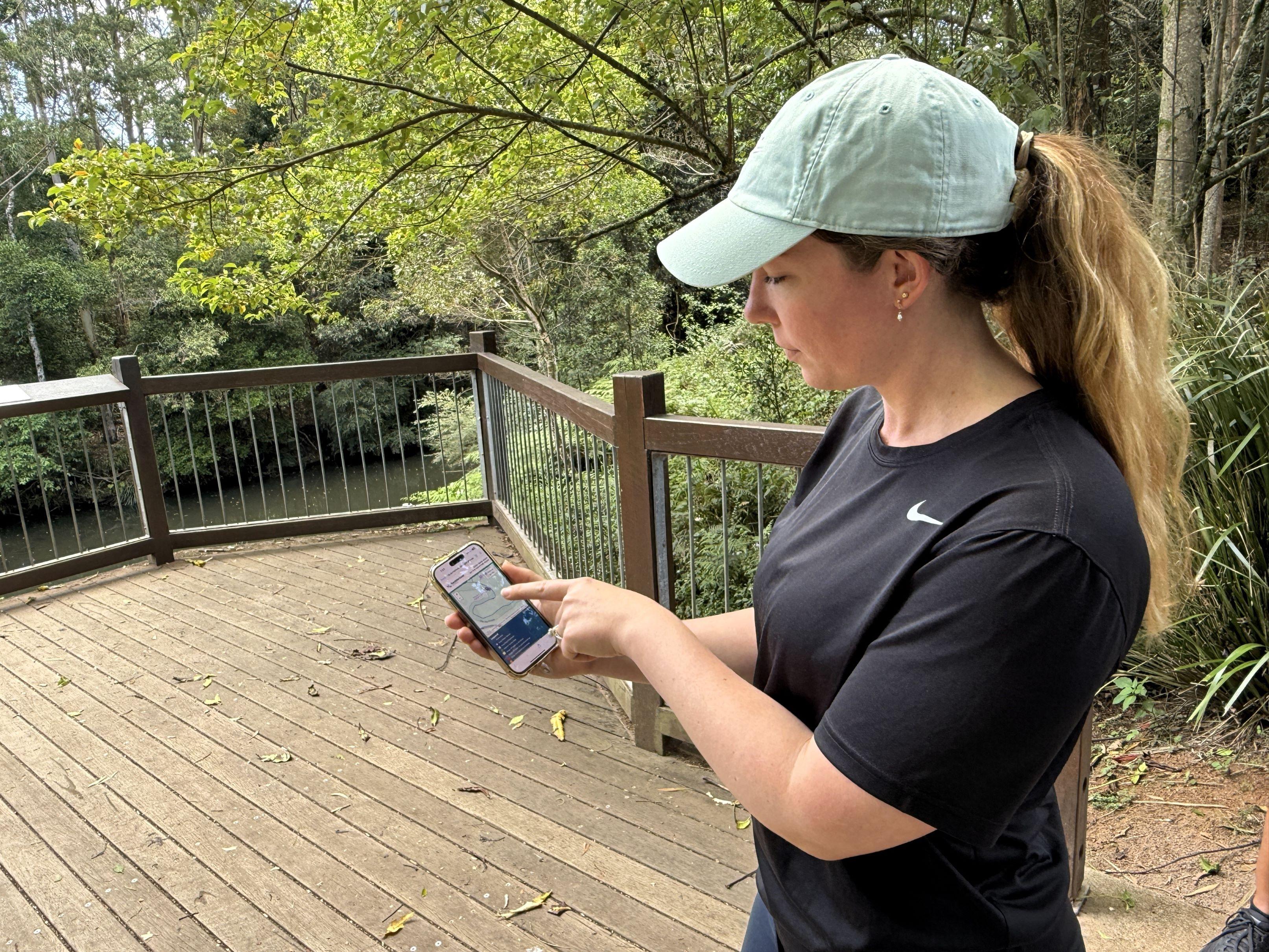
Council’s live mapping site pets.sunshinecoast.qld.gov.au provides clear maps for the whole of the Sunshine Coast.
Signage is being updated in stages across the region at locations where dog access has changed. New dog access signage has already been rolled out across much of the coastline, along with further renewal of beach access signs to follow in the coming weeks.
Changes to dog rules at beaches and foreshores
Stumers Creek, Coolum Beach
Stumers Creek, Coolum Beach
View the Stumers Creek dog access map.
- Dogs must be on-leash when entering from the carpark or surrounding access points.
- Keep your dog on-leash until you are at least 10m beachside of the carpark.
- Follow signage to identify where off-leash access begins.
- Once past this area, dogs can access the existing off-leash area, which extends approximately 3km north and south of the creek.
- The on-leash area at the creek mouth remains unchanged.
These changes are in place to:
- Improve safety for pedestrians and motorists near the carpark
- Reduce potential conflicts in a high-use area
- Support safer access for everyone entering the beach
Currimundi Beach
Currimundi Beach
View Currimundi Lake dog access map.
- Dogs are not allowed to cross the mouth of Currimundi Lake between Beach Access 253 and 254.
- The off-leash area north of the lake (Beach Access 253) remains unchanged.
These changes help to:
- Reduce conflicts in a busy, shared area
- Improve safety for people and dogs near the lake mouth
Ballinger Beach, Ann Street, Currimundi
Ballinger Beach, Ann Street, Currimundi
View Ballinger Beach dog access map.
- Dogs are allowed at Beach Access 261.
- The existing 1.25km off-leash area remains, extending to just north of Ann Street.
- A 50m buffer has been added near the Dicky Beach bathing reserve, where dogs are not allowed.
These changes help to:
- Improve safety near a popular swimming area
- Support clear separation between dog and bathing zones
Maroochy North Shore
Maroochy North Shore
View the Maroochy North Shore dog access map
- Dogs are allowed off-leash between Beach Access 127 and 130. This 650m off-leash beach area at Mudjimba South is now available year-round.
- This area provides an alternative to nearby seasonal closures.
- Dogs are still welcome at Maroochy North Shore. The beach from Pincushion Island north to Beach Access 132, and the beach along the river, remain available as year-round dog off-leash areas.
- A seasonal closure applies from October to April:
- Dogs are not allowed on a 500m section of beach on the southern spit at North Shore (Twin Waters).
- The Pincushion Trail formalises the existing "goat tracks" and keeps the popular loop walk available. Dogs must be on-leash on the trail because it passes through a dunal reserve. This alternative loop walk remains available during the seasonal closure and throughout the year.
- If an area is not shown as off-leash on the map, dogs must be on leash.
- Fallen trees along the river-side trail cannot be removed because they are protected marine plants.
These changes help to:
- Protect threatened migratory shorebirds
- Support important roosting habitats
Point Perry
Point Perry
View the Point Perry dog access map.
Dogs are not allowed:
- South of Beach Access 81
- North of Beach Access 82
- Within the rocky foreshore area
These areas are:
- Important breeding and feeding grounds
- Home to marine plants, fish, reptiles and birdlife
Keeping dogs out helps to:
- Reduce stress on wildlife
- Protect fragile coastal habitats.
Point Arkwright
Point Arkwright
View the Point Arkwright dog access map.
- Dogs are not allowed from 100m south of Beach Access 84 to Beach Access 85.
- This includes the rocky foreshore area.
- These zones are sensitive habitat areas that support:
- Marine life
- Coastal vegetation
- Bird breeding and feeding
- Restrictions help protect these environments and reduce disturbance.
Point Cartwright
Point Cartwright
View the Point Cartwright dog access map.
- Dogs are not allowed:
- At Carties Beach (Beach Access 196 to 196T)
- On the rocky foreshore
- In dune areas along Buddina Beach
- In parts of Point Cartwright Reserve
- Dogs are allowed off-leash at all times between Beach Access 198 and 201.
- These changes help to:
- Protect dunes and coastal vegetation
- Reduce impacts in high conservation areas
- Balance access with environmental protection
Moffat Headland
Moffat Headland
View the Moffat Beach and Headland dog access map.
- Dogs are allowed off-leash between 4pm and 8am from Beach Access 269 to 100m east of Access 275.
- At other times, dogs must be on-leash in this area.
- Dogs are not allowed on the rocky foreshore.
- A seasonal off-leash area (4pm–8am, May to October) is also available south of the Moffat rockshelf at Shelly Beach.
- These changes help to:
- Balance dog access with peak visitor times
- Protect wildlife and sensitive rocky habitats.
Caloundra Headland
Caloundra Headland
View the Caloundra Headland dog access map.
- Dogs are not allowed between Beach Access 281 and 283, including the rocky foreshore at Caloundra Headland and Happy Valley.
- Dogs are allowed on-leash at all times between Beach Access 293 and 295.
- Dogs are not allowed in Bribie Island National Park:
- Check signage for park boundaries that extend to the shoreline and with tidal movement.
- These areas are important for:
- Wildlife habitat
- Coastal ecosystem health
- Restrictions help protect these natural spaces for the future.
Changes to dog rules for environment reserves and bushland
Dogs can still access most environment reserves on leash. Changes only apply to some reserves, where dogs are either not allowed or must stay on leash on signed trails only. See the drop-down list below for updated locations.
Lake Weyba Bushland Reserve Network
Lake Weyba Bushland Reserve Network
View the Lake Weyba dog access map.
- Dogs are not allowed:
- On the lake trail north–south connection
- In non-trail (bushland) areas
- Dogs are allowed on-leash on all other trails.
- These changes help to:
- Protect sensitive bushland and wildlife habitats
- Reduce disturbance in high conservation areas
- Keep dogs and native species safe
Maleny Community Precinct Riparian Reserve
Maleny Community Precinct Riparian Reserve
View the Maleny Community Precinct dog access map
- Dogs are allowed on-leash on signed trails only.
- Dogs are not allowed in all other areas of the reserve.
- These changes help to:
- Protect creekside vegetation and wildlife habitats
- Preserve the health of the riparian environment
Mountain Creek Conservation Area
Mountain Creek Conservation Area
View the Mountain Creek Conservation Area dog access map
- Dogs are not allowed in the southern section of the conservation area.
- These changes help to:
- Protect high-value conservation areas
- Reduce impacts on wildlife and natural habitats
Kawana Forest Environment Reserve
Kawana Forest Environment Reserve
View the Kawana Forest Environment Reserve dog access map.
- Dogs are allowed on-leash on designated recreation trails (as signed).
- Dogs are not allowed in all other areas of the reserve.
- These changes help to:
- Protect sensitive ecosystems and bushland
- Support safe, shared use of designated trails
Glasshouse Mountains Environment Reserve
Glasshouse Mountains Environment Reserve
View the Glasshouse Mountains Environment Reserve dog access map.
- Dogs are allowed on-leash on signed trail connections between:
- Allan Avenue and Fullertons Road
- Dogs are not allowed in all other areas of the reserve.
- These changes help to:
- Protect significant natural and cultural landscapes
- Minimise disturbance to wildlife
Doonan Creek Environment Reserve
Doonan Creek Environment Reserve
View the Doonan Creek Environment Reserve dog access map.
- Dogs are not allowed in the western area, including:
- All western trails
- These changes help to:
- Protect sensitive habitats and biodiversity
- Maintain safe and low-impact use of the reserve
List of Environment Reserves updates:
List of Environment Reserves updates:
- Mooloolah River Nature Refuge: Dogs not allowed in Mooloolah River Nature Refuge
- Baxter Bluff Conservation Area: Dogs not allowed in Baxter Bluff Conservation Area
- Crohamhurst Ecological Reserve: Dogs not allowed in Crohamhurst Ecological Reserve
- East Mount Mellum Nature Refuge: Dogs not allowed in East Mount Mellum Nature Refuge
- Eudlo Creek Conservation Area: Dogs not allowed in Eudlo Creek Conservation Area
- Hussey Creek Esplanade: Dogs not allowed in Hussey Creek Esplanade
- Marist Brothers Ecological Reserve: Dogs not allowed in Marist Brothers Ecological Reserve
- Patten’s Ecological Reserve: Dogs not allowed in Patten’s Ecological Reserve
- Policeman Spur Environment Reserve: Dogs not allowed in Policeman Spur Environment Reserve
- Pumicestone Esplanade: Dogs not allowed in Pumicestone Esplanade
- Pumicestone Esplanade-Mekins Road: Dogs not allowed in Pumicestone Esplanade-Mekins Road
- Pumicestone Esplanade-Red Road: Dogs not allowed in Pumicestone Esplanade-Red Road
- Roys Road Esplanade: Dogs not allowed in Roys Road Esplanade
- South Eudlo Creek Bushland Conservation Reserve: Dogs not allowed in South Eudlo Creek Bushland Conservation Reserve
- South Eudlo Creek Environment Reserve: Dogs not allowed in South Eudlo Creek Environment Reserve
- Triunia Environment Reserve: Dogs not allowed in Triunia Environment Reserve
- Upper Mooloolah Nature Refuge: Dogs not allowed in Upper Mooloolah Nature Refuge
- Arcoona Road Bushland Conservation Reserve: Dogs not allowed in Arcoona Road Bushland Conservation Reserve
- Baringa Environment Reserve: Dogs not allowed in Baringa Environment Reserve
- Bobbie Sattler Nature Refuge: Dogs not allowed in Bobbie Sattler Nature Refuge
- Corbould Road Bushland Conservation Reserve: Dogs not allowed in Corbould Road Bushland Conservation Reserve
- Doonan Wetland Conservation Area: Dogs not allowed in Doonan Wetland Conservation Area
- Gull’bu rah Environment Reserve: Dogs not allowed in Gull’bu rah Environment Reserve
- Kenilworth Bluff-Wilcox Family Park: Dogs not allowed in Kenilworth Bluff-Wilcox Family Park
- Kirbys Road Environment Reserve: Dogs not allowed in Kirbys Road Environment Reserve
- Lower Mooloolah River Environment Reserve: Dogs not allowed in Lower Mooloolah River Environment Reserve
- Maroochy River Environment Reserve: Dogs not allowed in Maroochy River Environment Reserve
- Ninox Environment Reserve: Dogs not allowed in Ninox Environment Reserve
- Sunshine Coast Ecological Park: Dogs not allowed in Sunshine Coast Ecological Park
- Tuan Environment Reserve: Dogs not allowed in Tuan Environment Reserve
Some Bushland Reserves are being reviewed as part plan, with proposed changes to dog access over the next 1–5 years.
View the full list is available as part of the Dog Exercise Area Plan.
When visiting any location with your dog, check Council signage at the location or view the live map via Sunshine Coast Council app or pets.sunshinecoast.qld.gov.au
Before heading out with your dog, the community is encouraged to:
- Visit Council’s website for the detailed changes
- View the interactive live maps at pets.sunshinecoast.qld.gov.au
- Check local signage
What is changing?
We’ve updated where dogs can go across the region.
Rules can now vary depending on the location, including:
Beaches and foreshores
- Dog access can vary from beach to beach
- Some beaches now have new leash rules
- Some areas have time or seasonal limits
- Most rocky foreshores are now dog-free
Environment reserves
- Dogs are not allowed in some high conservation value bushland areas
- In some reserves, dogs are allowed on-leash on designated trails only
Sporting fields
- Dogs are not allowed on the playing surface of any sports facility (for example, a field or court) within a park or reserve
- Dogs may be allowed in surrounding areas on leash unless otherwise signed
Parks and dog exercise areas
- New and upgraded off-leash parks across the region.
Why has Council made these dog rule changes?
We made these changes to better balance the needs of our community, pets and environment. They will protect wildlife and sensitive areas, improve safety for people and dogs, support shared use of public spaces and plan for a growing dog population across the Sunshine Coast.
Where can I view the dog plan?
You can view the full Dog Exercise Area Regional Plan and check where dogs are allowed using the interactive map on Council’s website.
Fines and compliance
Dog owners must follow local rules, including using a leash where required and picking up after their dog. Council officers may issue fines if rules are not followed, especially for dogs off-leash in restricted areas or not under control.
Frequently asked questions
Why are the dog rules changing?
Why are the dog rules changing?
The rules are changing to better balance dog access with community use, safety and environmental protection.
They are guided by Council’s endorsed Dog Exercise Area Regional Plan and Network Blueprint 2025–2045, which sets a long-term approach for managing dog access across the Sunshine Coast.
The Sunshine Coast is growing, and more people are using our beaches, parks and reserves. These updates help:
- Keep shared spaces safe for everyone
- Protect wildlife and sensitive habitats
- Provide clear and consistent information
- Plan for a growing dog population
The changes are based on community feedback and long-term planning for the region.
When do the dog rule changes take effect?
When do the dog rule changes take effect?
The new rules take effect from 3 July 2026.
Updated signage will be installed from this date and rolled out across the region over the following weeks.
Who can I talk to about the new dog rules?
Who can I talk to about the new dog rules?
You can speak with Council officers at our pop-up information booths across the Sunshine Coast.
These sessions are a great chance to:
- Ask questions about the new rules
- Get help understanding changes in your local area
- See maps and talk through options with a real person
Find a location and time near you by visiting our community edication page.
How do I know where I can take my dog?
How do I know where I can take my dog?
Before you head out:
- Check the interactive map
- Look for local signage
- Visit Council’s website for location details
Search “Sunshine Coast dog exercise areas” to find the latest map and updates.
What happens if I don’t follow the new dog rules?
What happens if I don’t follow the new dog rules?
Fines apply if local and state dog laws are not followed.
As of 1 July 2026, penalties include:
- $863 for dogs off-leash in on-leash areas
- $345 for being in a prohibited area or not carrying a waste bag
Council officers can issue on-the-spot fines.
Under Queensland law, dog owners must always be able to control their dog in public places. This means:
- Keeping dogs on-leash where required, or
- Supervising and controlling dogs in off-leash areas
Following the rules is about more than avoiding fines. It helps:
- Keep people and pets safe
- Protect wildlife and sensitive environments
- Support fair access to shared spaces
Are there still dog off-leash areas available?
Are there still dog off-leash areas available?
Yes. The Sunshine Coast continues to offer a wide range of dog-friendly spaces.
This includes:
- 34km of dog-friendly coastline
- 16km of off-leash beach areas
- More than 1,600km of on-leash pathways
New and expanded off-leash areas are also being delivered across the region.
Why are dogs not allowed in some areas?
Why are dogs not allowed in some areas?
Some areas have high environmental or safety value.
Restrictions help to:
- Protect breeding and feeding areas for wildlife
- Reduce stress on animals and fragile habitats
- Keep high-traffic areas safe for everyone
Many of these areas include rocky foreshores, conservation reserves and busy recreation spaces.
Can I still take my dog into environment reserves?
Can I still take my dog into environment reserves?
In many reserves, dogs are still welcome on-leash on designated trails.
However, dogs are not allowed in some high conservation areas or off-trail locations.
Always check signage or the online map before visiting.
Why are there seasonal dog restrictions at some beaches?
Why are there seasonal dog restrictions at some beaches?
Seasonal restrictions help protect migratory shorebirds during critical breeding and roosting periods.
These birds travel long distances and rely on quiet coastal areas to rest and feed.
Temporary restrictions help protect these species while still allowing access at other times or nearby locations.
What are the changes to dog registration?
What are the changes to dog registration?
In Queensland, all dogs must be microchipped and registered.
Council has updated registration fees to help cover the cost of local animal management services for a growing community. Fees remain broadly consistent with other Queensland councils.
Registration helps fund:
- Animal patrols and response to incidents
- Reuniting lost pets with their owners
- Community education and safety programs
- Support for local animal welfare organisations
Registration fees are used for these services and are not part of general revenue.
Current fees include:
- Desexed dog: $63 per year
- Desexed cat: $43 per year
- Regulated or declared dangerous dog: $659 per year
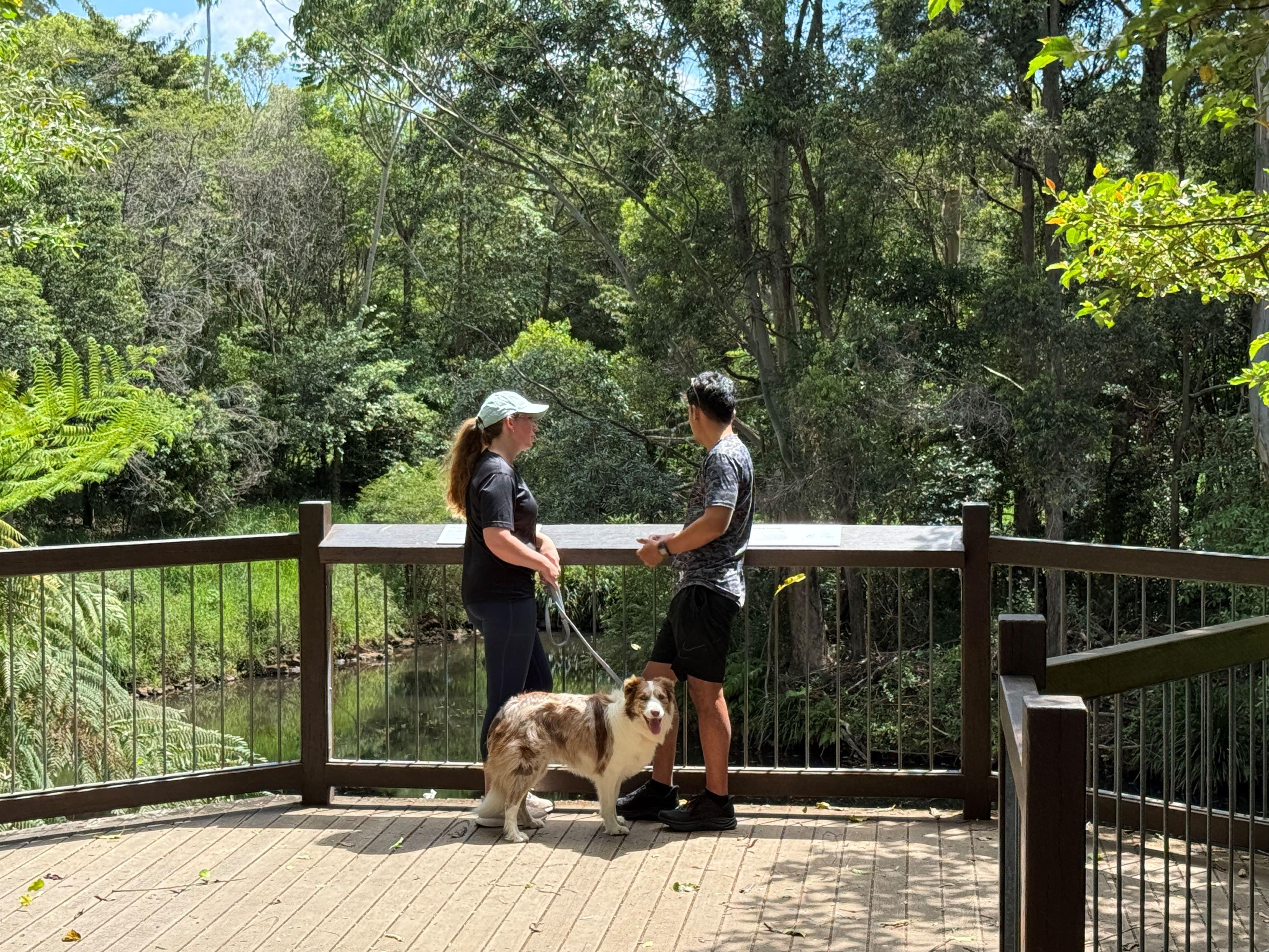
Enviroment reserve viewing platform with dog on leash
Using Sunshine Coast App to view dog exercise areas and access places
dogs and owners at sports fields with dogs on leash people playing soccer