Helpful tips to reduce light pollution
Small changes to the way we use outdoor lighting can help protect our dark night skies.
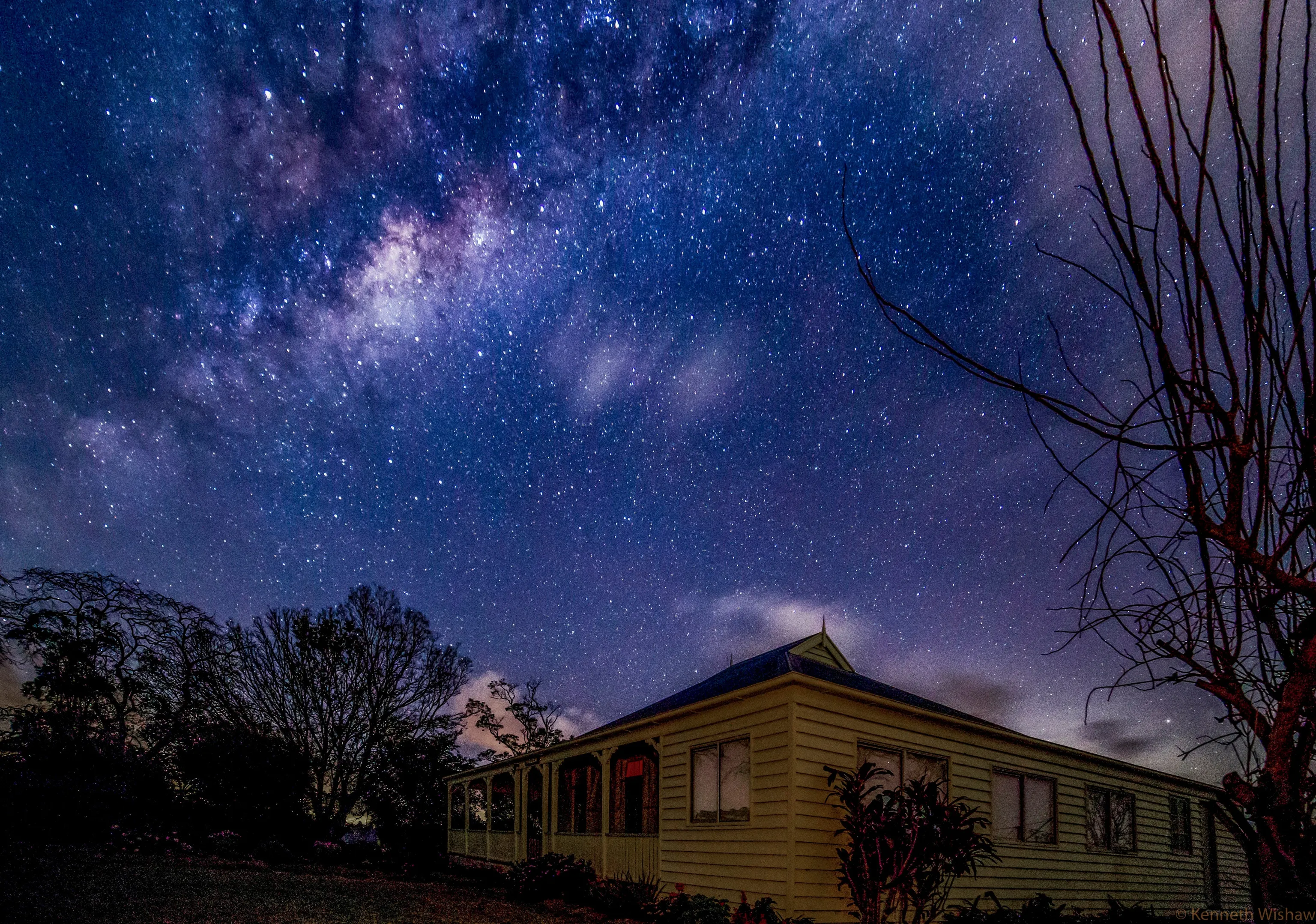
Dr Ken Wishaw
You can help reduce light pollution and protect dark skies by following DarkSky International’s five principles:
1. Useful - Use light only if it is needed.
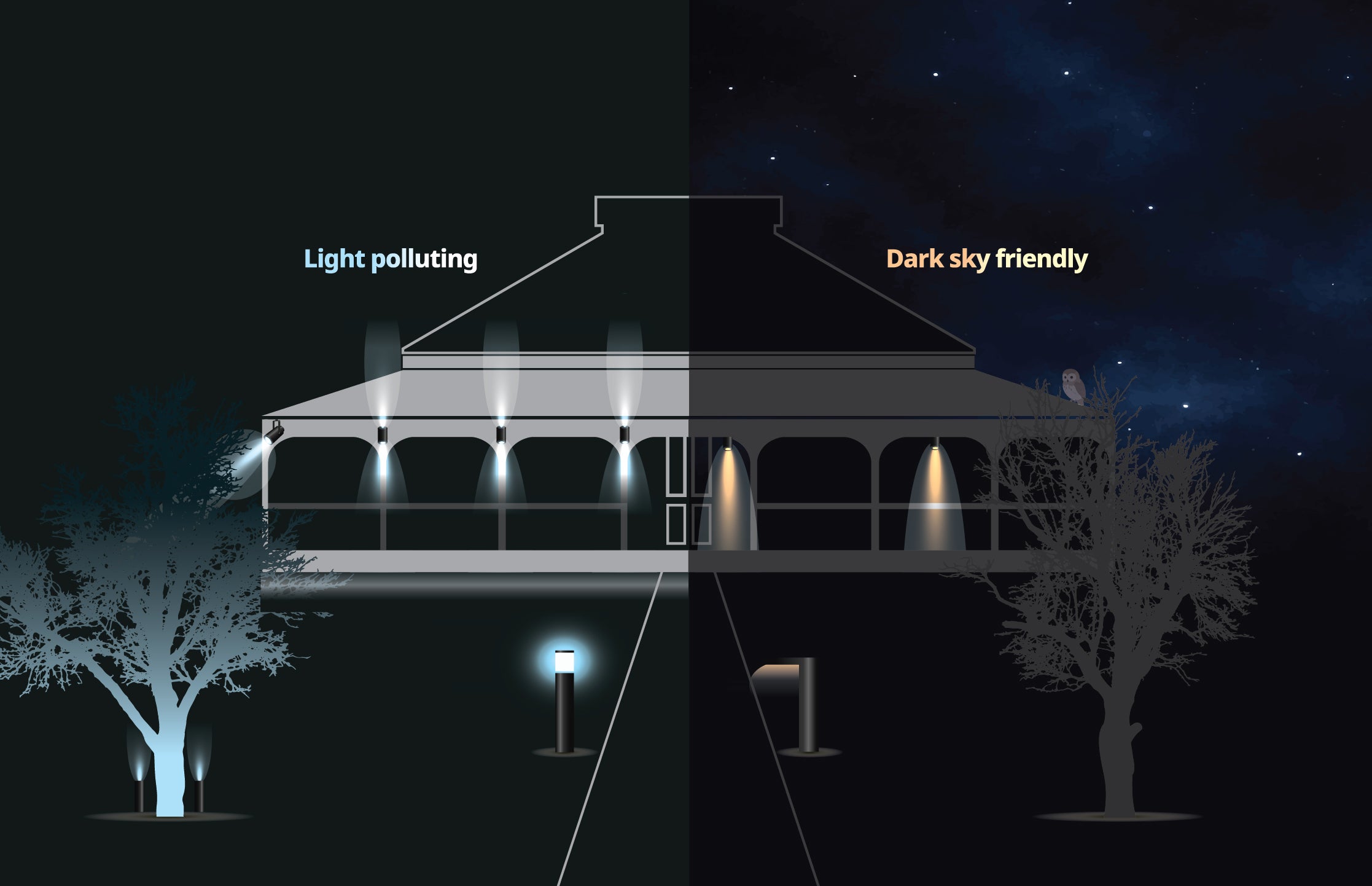
All lights should have a clear purpose. Consider how the use of light will impact the area, including wildlife and their habitats.
2. Targeted - Direct lighting so it falls only where it is needed.
Use shielding and careful aiming to target the direction of the light beam so that it points downward and does not spill beyond where it is needed.
3. Low Level – Light should be no brighter than necessary.
Use the lowest light level required. Be mindful of surface conditions, as some surfaces may reflect more light into the nearby sky than intended.
4. Controlled – Use light only when it is needed.
Use controls such as timers or motion detectors to ensure that light is available when it is needed, dimmed when possible, and turned off when not needed.
5. Warmer Coloured – Use warmer coloured lights where possible.
Limit the amount of shorter wavelength (blue-violet) light to the least amount needed.
Every small action helps. It’s also great for your power bill and the environment.
Source: DarkSky International