experience sunshine coast
Wall niche
Niche wall styles vary between cemeteries, and range from formal granite finishes to rustic brickwork designs.
Page

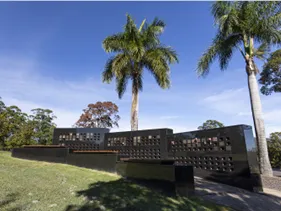
Niche wall styles vary between cemeteries, and range from formal granite finishes to rustic brickwork designs.
Find out if you need approval when building and changing property fencing and retaining walls, including advice on how to avoid or resolve fencing disputes between neighbours.
As part of our ongoing asset renewal program, we are replacing the failing timber retaining wall at the end of Tommys Court.
Officially named 'Mooloolaba Spit Rock Wall', Osprey Gardens is popular for wedding ceremonies and events. Beach Access 180 to 195.

A project providing protection from coastal hazards at a popular foreshore is also set to provide a welcoming new home for sea creatures.
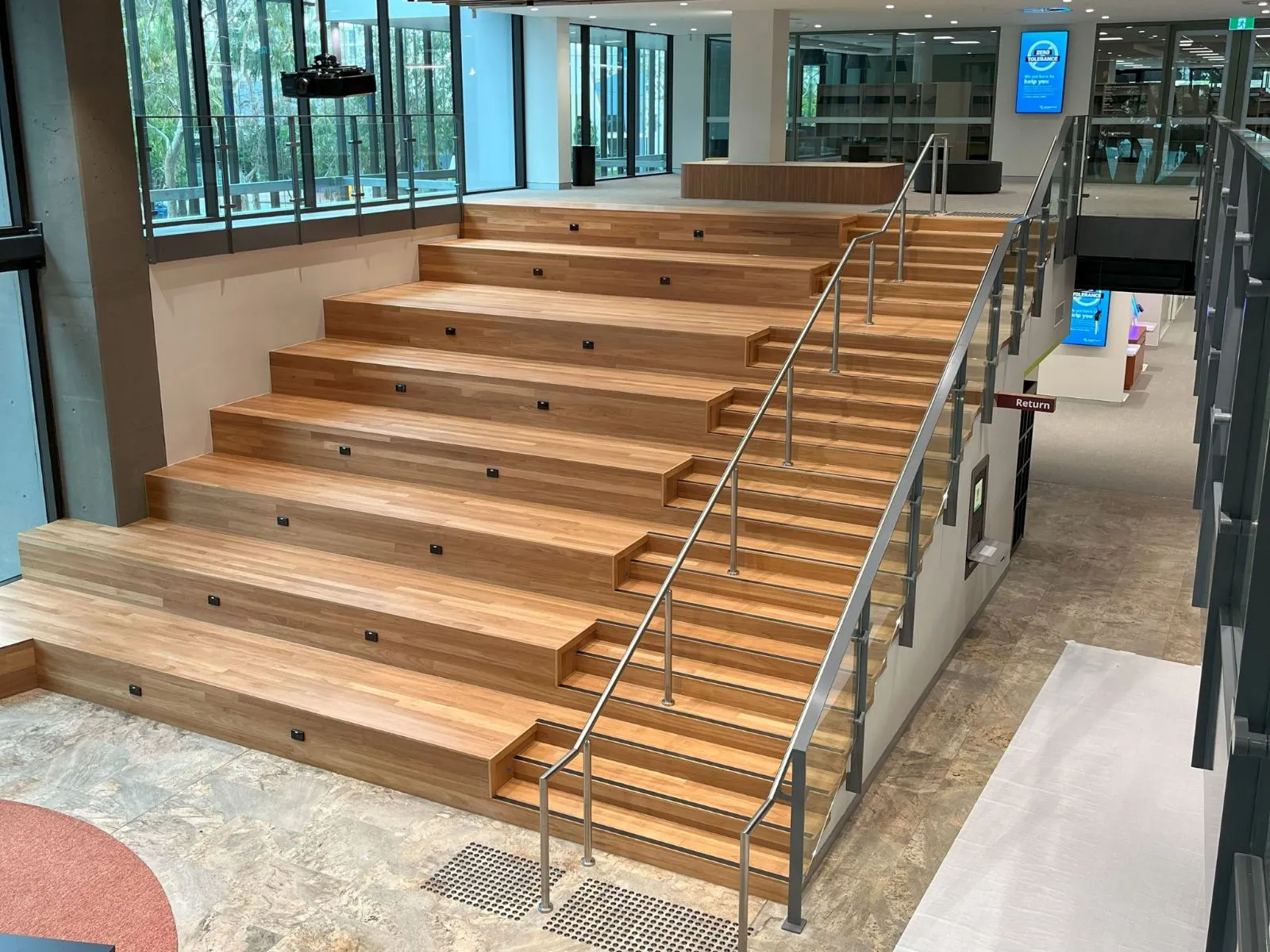
Discover Library+ Caloundra, a $45.4 million state-of-the-art community hub opening September 22, offering modern library services, interactive spaces, and family-friendly activities in the heart of the Sunshine Coast.
50 panels will be bolted to the side of the Brightwater Lake wall to create a living seawall.
Photographers delivered a visual diary of their existence within their four walls during COVID-19 Lockdown 2020

Building includes new structures, swimming pools, retaining walls, additions and alterations to existing buildings.
<p>Caloundra’s newest mural is literally jumping off the wall and into the record books as the Sunshine Coast’s first public artwork to use augmented reality.</p><p>Commissioned by council with support from Downtown Caloundra taskforce, it is an initiative of the new Sunshine Coast Arts Plan 2018-2038 and aligns with the our vision for the Sunshine Coast to be healthy, smart, creative.</p><p>The new work is titled The Looking Glass Fish in the Deep Hue Sea.</p>

Improved protection from coastal hazards, LED lighting that reduces brightness late at night and irrigation that adjusts water usage to suit the weather– now that’s a smart upgrade!
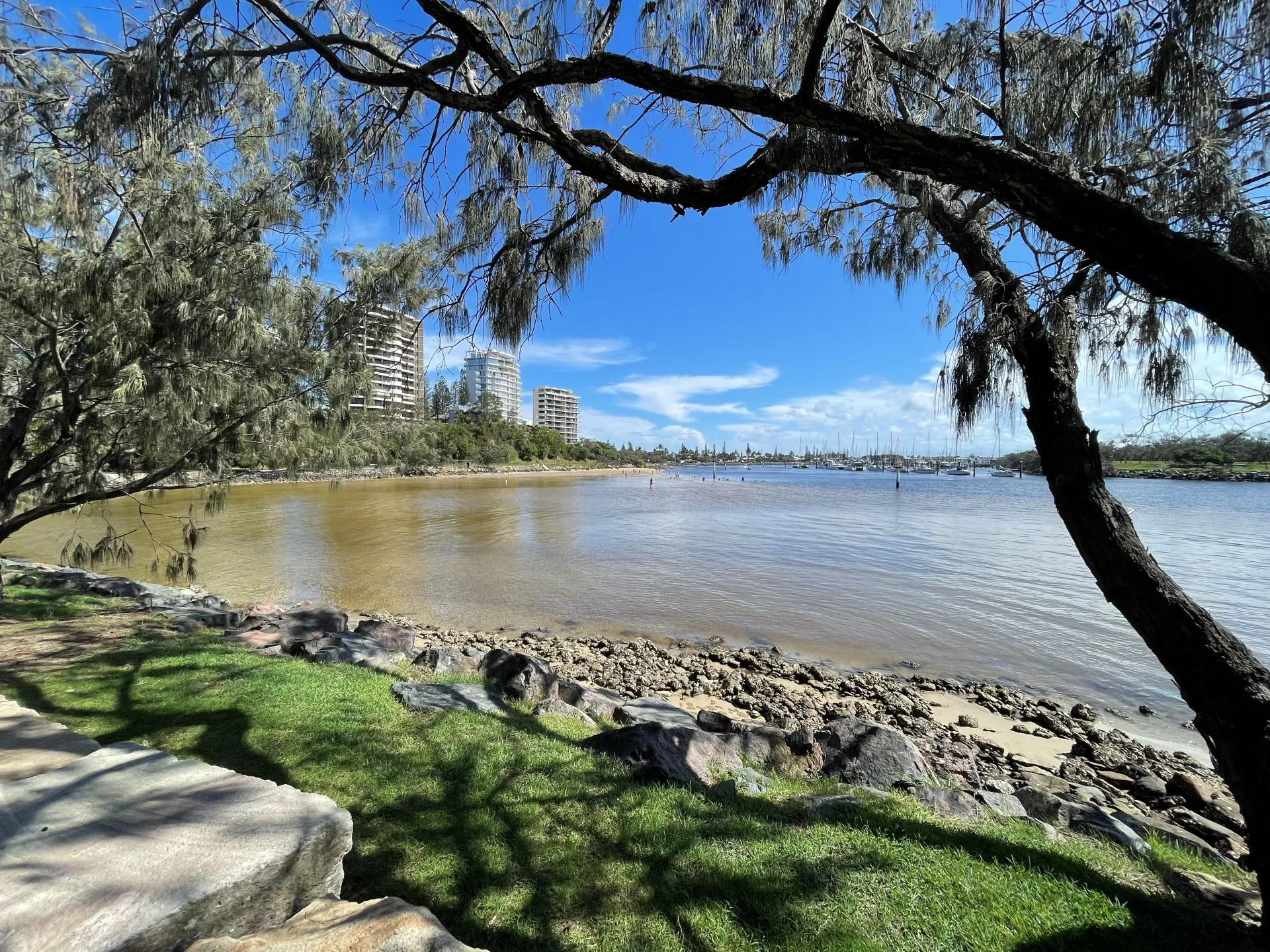
This pedestrian and cycle path starts at the northern end of La Balsa Park and follows the Mooloolah River bank to the end of the rock wall on the western side of Point Cartwright.
Building work includes new buildings and structures, swimming pools, retaining walls and additions or alterations to existing buildings.
Just picture it… young Oliver smooths out the mud wall on a cubby-house, while Mia taps away on the giant wood marimba making her own melody, and you push your littlest in the pram reading through ‘Red House, Blue House, Green House, Tree House!’
Peruse council's building and development fact sheets.
Mooloolaba Spit Park is located at the eastern end of Parkyn Parade and sits between the Mooloolah River and the ocean. There is a pathway to the end of the rock wall providing views back towards Mooloolaba and the coastline. Seating is provided throughout the park and along the pathway.

Kirsten Circuit Park is a neighbourhood park located between Charlotte Avenue and Kirsten Circuit, Nirimba. It features an informal kids bike path, a handball court with rebound wall, a shelter with a picnic table, bench seating throughout and an open space area for kick and throw activities.
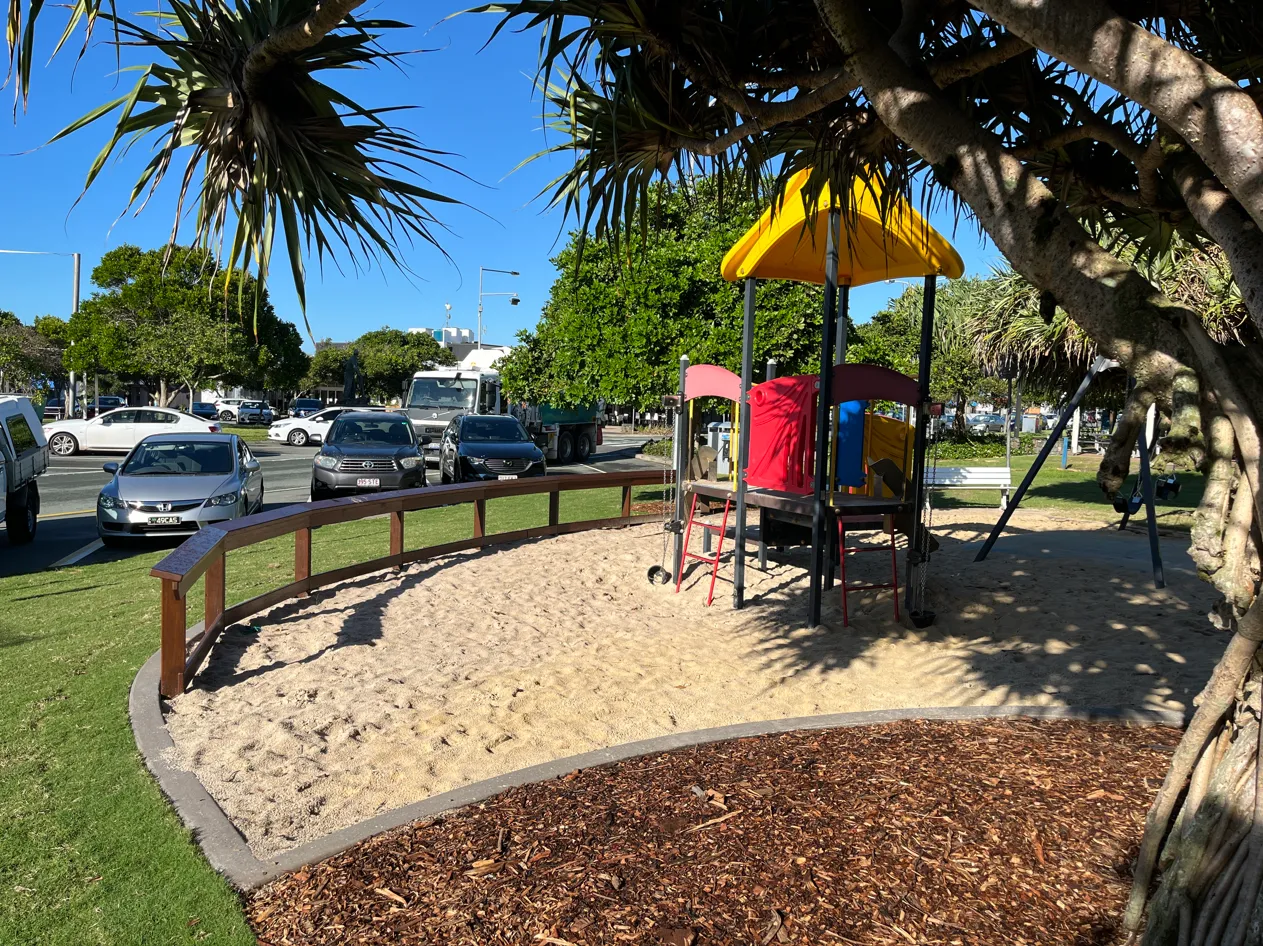
Mooloolaba Rotary Club Park is located on the beachfront opposite Fishermens Park and at the end of Parkyn Parade. It features a small playground with swings, plenty of natural shade, shelters, picnic facilities, barbecues and off street car parking. Further east along the connecting pathway is Mooloolaba Spit Rock Wall.
This parkland, just south of 'The Corner', was once an unofficial camping ground, but in 1972 it was resumed for a Port and Harbour Reserve and a navigation beacon erected. Now part of the very popular coastal walking and cycling path, the northern end was named Churinga Park after the 1974 Churinga Tree Walk Committee (led by Elizabeth Daniels and Betsan Coates of Booloorong fame) who encouraged beautification of the foreshore. A garden was laid out around the base of the light and the rock wall with steps built to protect the northern part of the Headland which had been washed away by heavy seas in 1974.
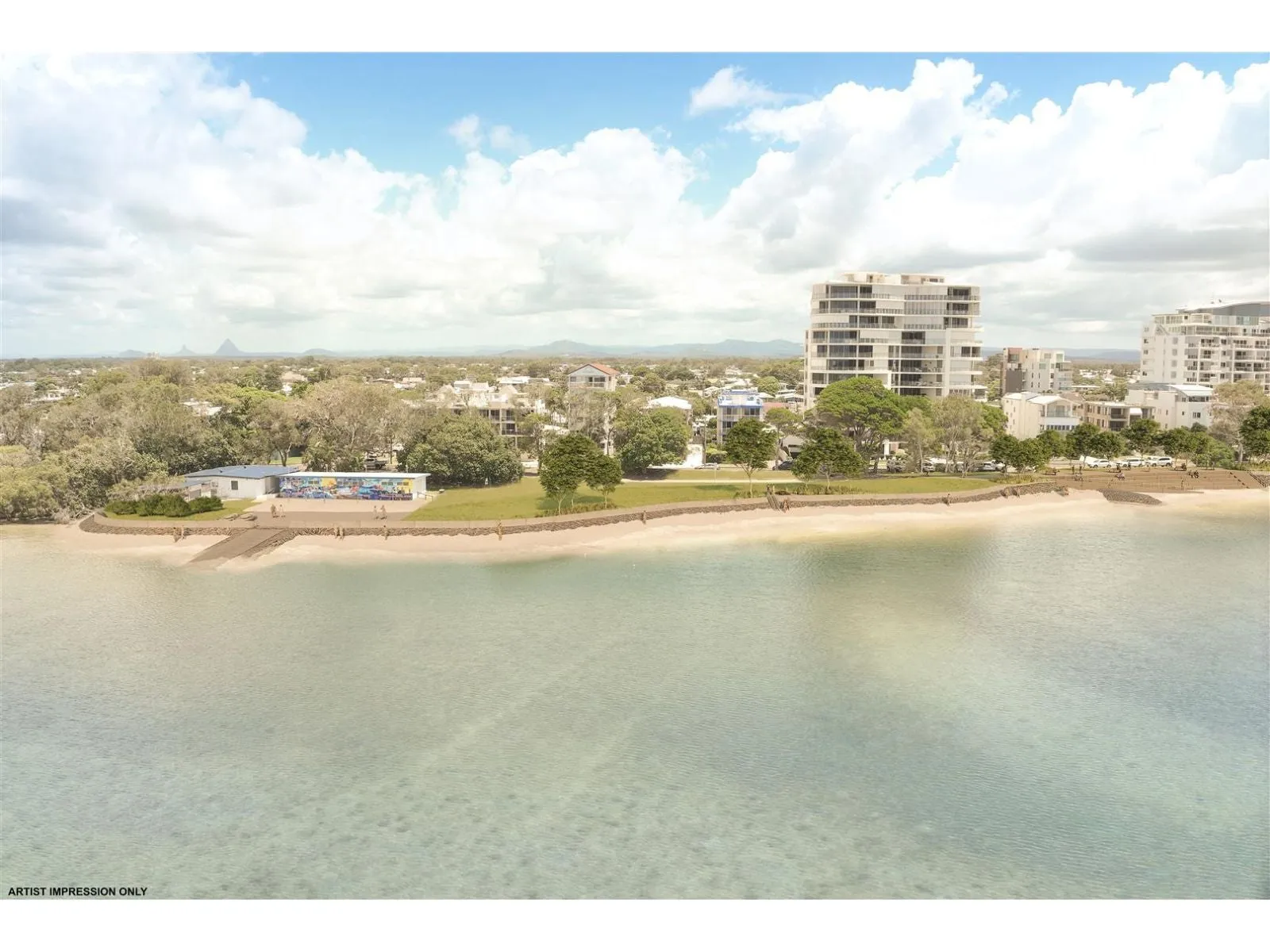
Construction is about to start on a vital project to protect a beloved foreshore and make beach access even better for everyone to enjoy safe sport and recreation activities.
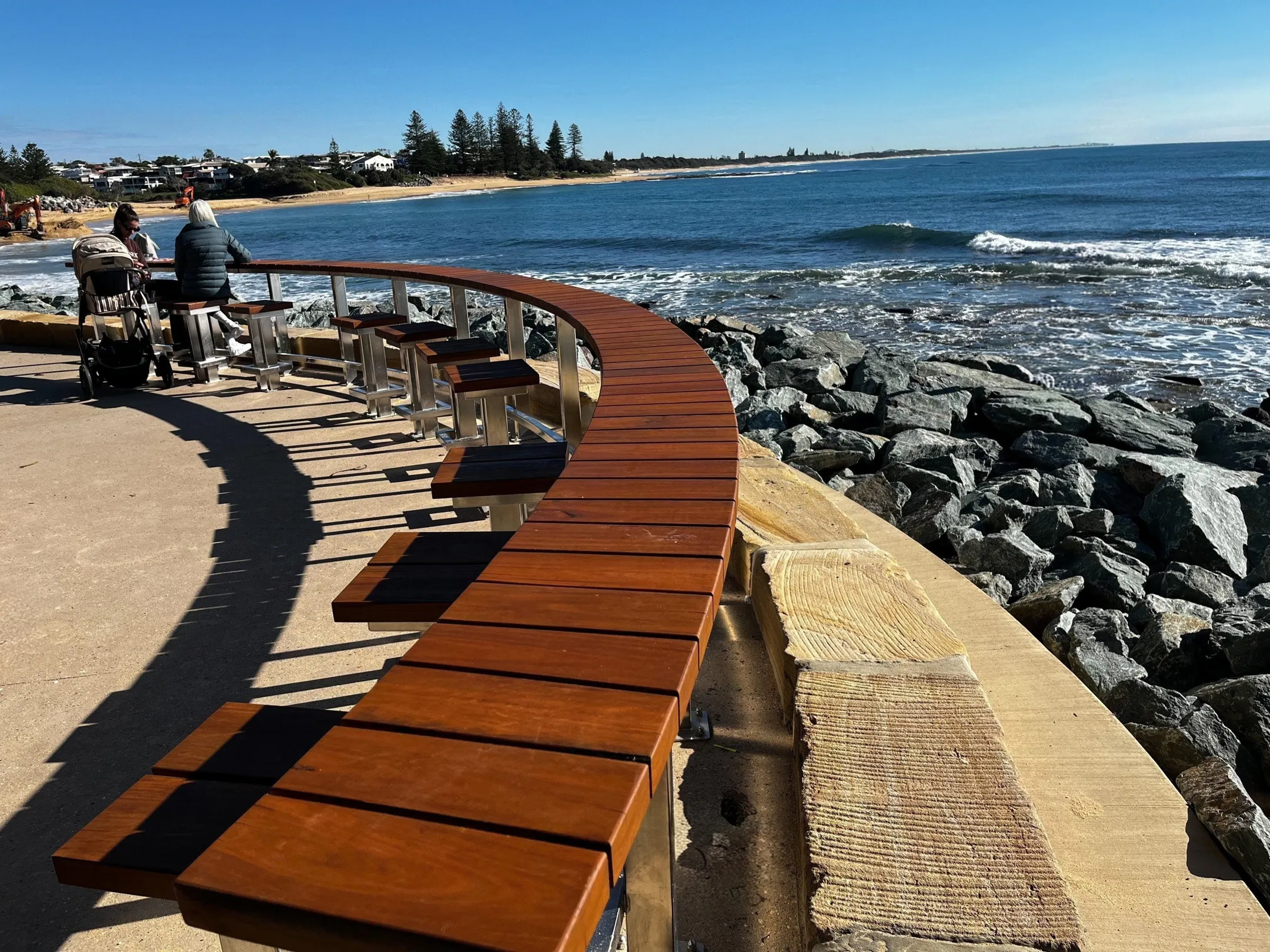
Moffat Beach locals and visitors will soon enjoy easier access to one of the Sunshine Coast's most loved beaches, with key areas of the foreshore set to reopen in time for the September school holidays.
In 1946, Gus and Bobbie Sattler and their young family settled at a Meridan Plains property in an area now known as Sattler Rd. Living conditions were quite primitive due to isolation, insufficient water, poor soil and rocky terrain. In the late 1940s the Sattlers' mail was delivered twice a week to their homestead from Landsborough Railway Station. Gus Sattler was born on June 21, 1906. At the age of nine he travelled by bullock wagon to Queensland. He caught his first swarm of bees at an early age. He cut many swarms of bees out of trees and kept them in empty petrol cases. In those days petrol came in large tins each holding four imperial gallons. These cases and tins provided pioneer families with walls for houses and, when flattened out, tin roofs. Gus and Bobbie Sattler started a honey business known as Sunshine Apiaries and were known for the delicious honey they produced. Gus became known as the "honey man". The stumps for their house went in on Armistice Day, 1946. Some of the material came from an Air Force hut near Toorbul Point. The weatherboards were cut on the farm from swamp mahogany; a timber discarded by many mills but valuable to the Sattler family. During Gus's lifetime he saw the wallum plains and tea tree forests between Noosa and Bribie gradually diminish due to urban and pastoral development. Gus became a great beekeeper respected for his knowledge of the Australian bush and its flora and fauna. Stella "Bobbie" Sattler was a much loved member of the Caloundra community. She became a member of Caloundra Wild Life Preservation Society and joined other environmentalists such as Isabel Jordan, Stan Tutt and Kathleen McArthur as they challenged development trying to save the wallum country and the wildflowers that grew in abundance. Bobbie ran the Sunshine Apiaries shop on their property. Initially the Sattlers got two pence a pound for their honey. Gus and Bobbie were the first to market honey by identifying the tree species the honey came from. Bobbie Sattler inherited her mother's 70-year-old sulphur-crested cockatoo Cockie. The bird was well known and knew many words. His fate was nearly sealed one New Year's Eve when the family heard Cockie yelling out. They found a large carpet snake in his cage. It was obvious the snake and the cockatoo had been fighting as his feathers lay in the cage. After that Cockie would yell out "Snake, Gus", which became a source of amusement for honey customers. The Sattlers drew three parcels of land when they moved to Meridan Plains. Fifty-eight years later Bobbie Sattler dedicated most of her block of nearly 40 hectares off Pierce Ave, Little Mountain as a nature reserve. This is now the Bobbie Sattler Bushland Reserve, which is a beautiful diverse area of coastal forest and wallum country. Bobbie Sattler died on October 29, 2006 and is buried near her husband, who died in 1992, at Mooloolah Cemetery.