
How to have a fun and safe summer
Stay safe on the Sunshine Coast this summer by preparing for storms, heatwaves and beach hazards using the Disaster Hub and Beach Safe App.
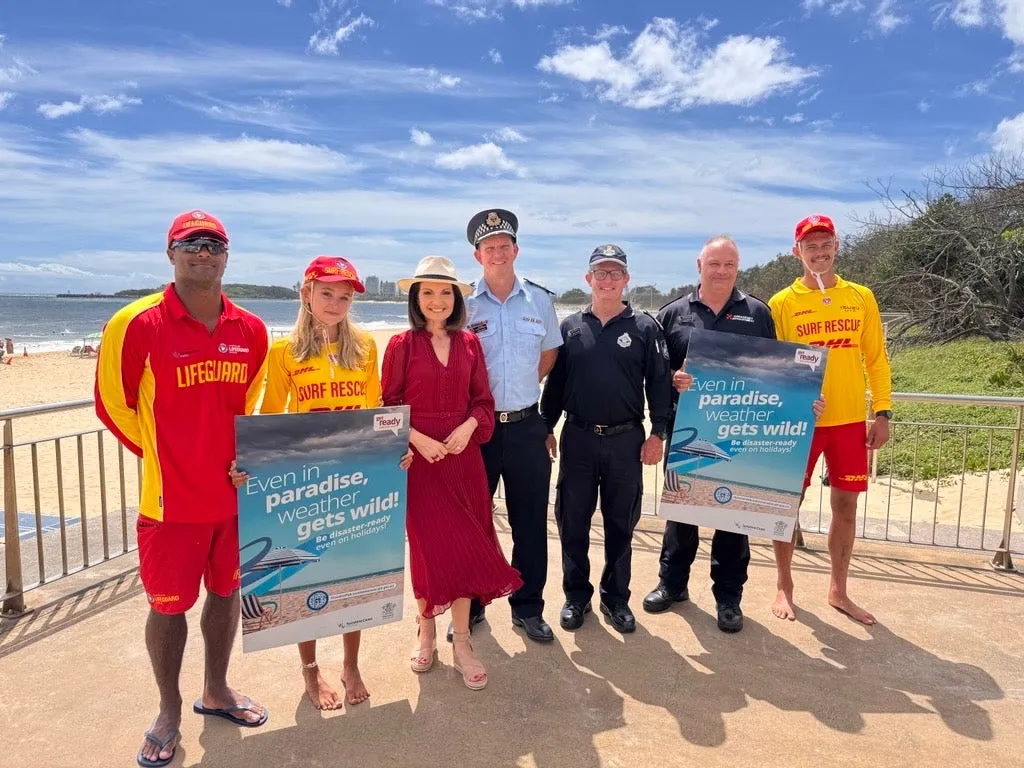
Summer storms and heatwaves are part of life on the Sunshine Coast but planning for them - even when you’re on holidays - helps keep you, your family and your property safe.
Sunshine Coast Mayor Rosanna Natoli joined Surf Life Saving Queensland’s Aaron Purchase, at the Mooloolaba Surf Life Saving Club to urge visitors and locals to stay alert to weather warnings and follow safety advice while at the beach and in the surf.
“Schools out for summer, the sun’s out - the surf’s up - the holiday fun has begun!” Mayor Natoli said.
“Nothing beats summer holidays spent on the Sunshine Coast - it’s one of the bonuses of living in paradise.
"It’s also, why we have an influx of over one and a half million visitors at this time of year.
“But Queensland’s sub-tropical summer also can bring with it wild, stormy afternoons.
“The Bureau of Meteorology is forecasting heatwaves and above-average rainfall this season.
"If you’re new to the Coast, or visiting, you might not know what to expect when the sky starts rumbling.
“As locals we’re used to our storm season - we’ve already had a few storms hit our region this season - but this is your reminder to be prepared for the next ones, too."
For up-to-date information and links to key emergency services in one location, stay informed with Sunshine Coast Council’s Disaster Hub.
The Disaster Hub includes:
- weather and beach condition warnings
- road closures
- airport updates
- traffic cameras
- flood mapping and current warnings.
Mayor Natoli said storms could bring with them the risk of losing power and flash flooding.
“Locals may have provisions ready and know what roads are flood-impacted in low lying areas, but visitors and those new to the Coast, won’t,” Mayor Natoli said.
“Make sure you have everything you and your family may need in case you lose power or are cut off by flood water or fallen trees.
“Always check the Disaster Hub before, during and after a storm before heading out.”
Heatwaves
Mayor Natoli cautioned that before visiting one of our 30 plus beaches, or 50 National Parks, to check the Disaster Hub for heatwave warnings.
“This summer the BOM is warning we will experience higher humidity and temperatures with warmer nights,” Mayor Natoli said.
“Be sun smart by wearing a hat, sunscreen and light, loose clothing, as well as drinking lots of water - at least six glasses a day.
“Beat the heat by avoiding strenuous activity and by staying in air-conditioned, or cool spaces, like Council’s libraries.
“Those most at risk are babies, the elderly, those with medical conditions or who are pregnant, as well as outdoor workers, and athletes.
“Remember to watch for heat illness signs, which are: dizziness, nausea, confusion, and rapid pulse and always call 000 in an emergency.
“And don’t forget your pets! Remember to provide them with water and shelter.”
Look for the famous red and yellow flags
With 560 rescues and tragically nine confirmed drownings in Queensland already this 2025 summer season, Surf Lifesaving Qld (SLSQ) State Regional Operations Manager Aaron Purchase, is urging everyone to Stop, Look and Stay Alive this Summer.
“Stop and think before you enter the water, look for potential hazards and read the SLSQ signs at the beach, and most importantly, swim between the red and yellow flags," Mr Purchase said.
“You will stay alive by understanding your limits and those who are with you.
“If you’re already enjoying the school holidays, please keep an eye out for children and always keep them within arm’s reach.
“Conditions can change quickly, and you may find yourself out of your depth, so we urge everyone to make safe choices before getting in the water.
“Don’t enter the water when there’s a severe weather warning and check the SLSQ BeachSafe App for a list of patrolled beaches and beach closures before deciding where to swim, only entering the water if it’s safe."
There to help protect you
Sunshine Coast Council-funded professional lifeguards are supported by 15 thousand dedicated volunteer lifesavers from 58 Queensland clubs and six Sunshine Coast branches, that are operated by 150 staff at 21 sites over peak periods.
These dedicated professionals who patrol our beaches have one shared mission: zero preventable deaths.
Last financial year (2024–25), more than 6.6 million people visited Sunshine Coast beaches, with lifeguards and lifesavers performing 550 rescues, 98,574 preventative actions and 7,696 first aid treatments. Beach patrol hours were extended from Saturday 13 December, and will run through the January 2026 holidays.
The 2025–26 volunteer surf lifesaving season will run until early May 2026.
Remember - if it’s flooded forget it
As the Chair of the Sunshine Coast Local Disaster Management Group, Mayor Natoli reminded visitors and locals that storms brought with them the risk of flash flooding.
“Locals may know what road are impacted in low lying areas but visitors and those new to the Coast should check the disaster hub after a storm before heading out,” Mayor Natoli said.
“Flooding can take you by surprise, making some roads too dangerous to use. Remember your car can’t protect you.
“A small amount of floodwater is all it takes for your engine and electrics to fail. Stay off the roads and consider if travel is necessary.
“Have fun this summer but stay safe, too.‘’
More information
Stay informed with Sunshine Coast Council’s Disaster Hub at disaster.sunshinecoast.qld.gov.au for up-to-date information and links to key emergency services in one location, including: weather warnings, road closures, evacuation centres, airport updates, traffic cameras and flood mapping.
It’s also a great idea to sign up for weather notifications from the Bureau of Meteorology at bom.gov.au.
For disaster preparedness resources visit Get Ready Queensland at getready.qld.gov.au.
Download the Surf Life Saving Beach Safe App onto your phone for up-date information about flag locations and beach closures.