
Building smarter for future floods and storms
Sunshine Coast Council's Flooding and Coastal Resilience Design Guide provides practical advice for homeowners, renovators, builders and designers on how to plan, design and renovate homes that are better prepared for flood and storm events.
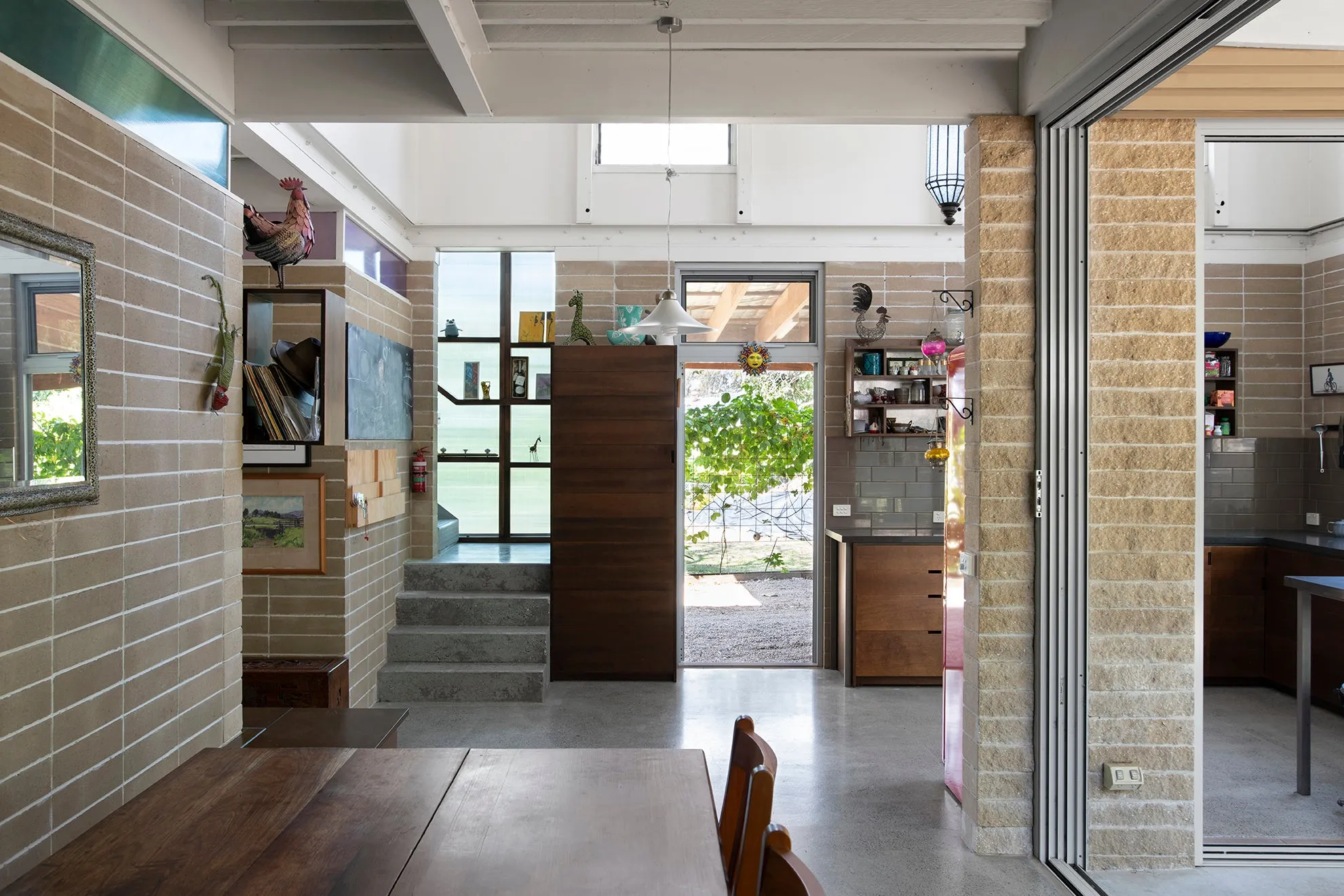
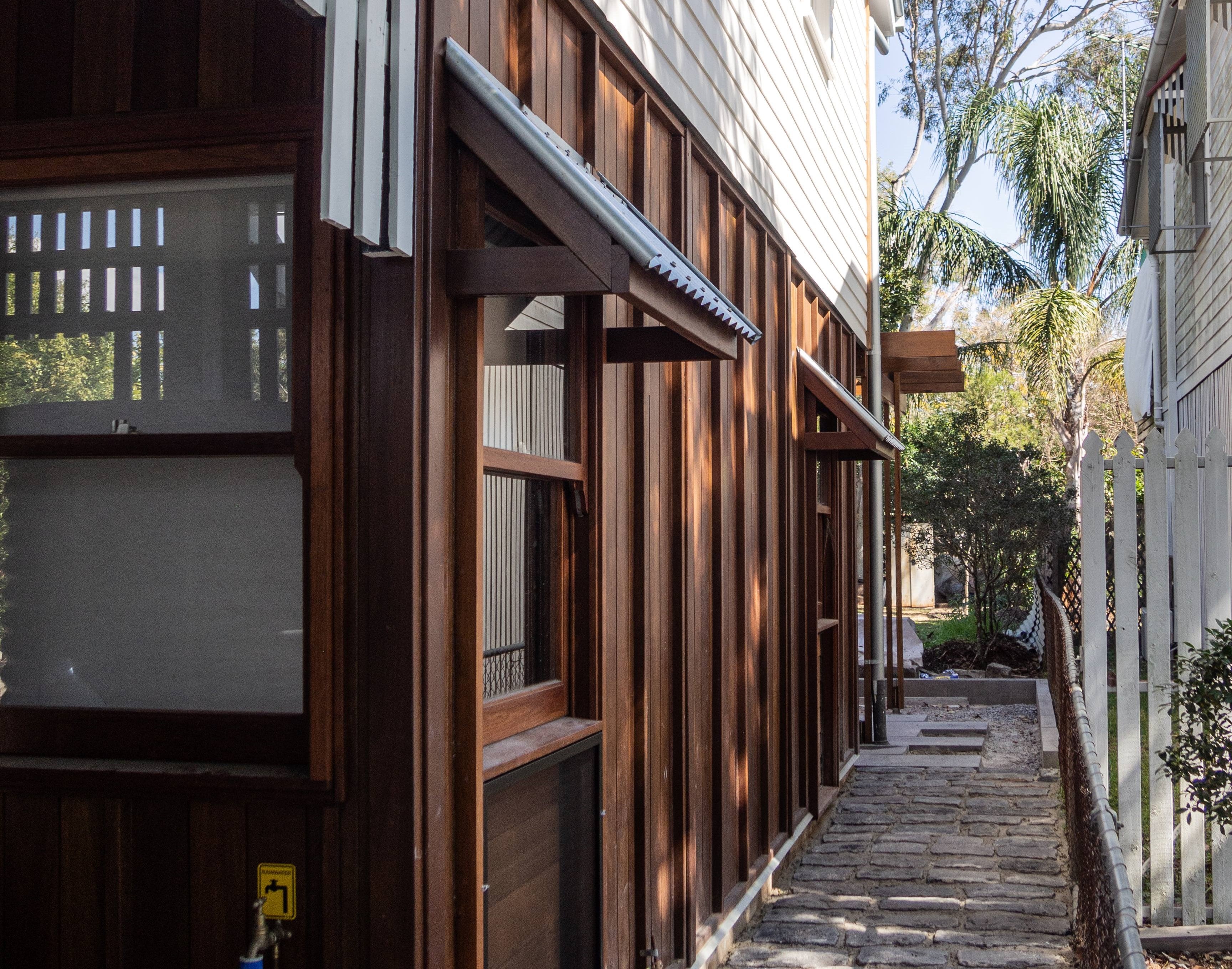
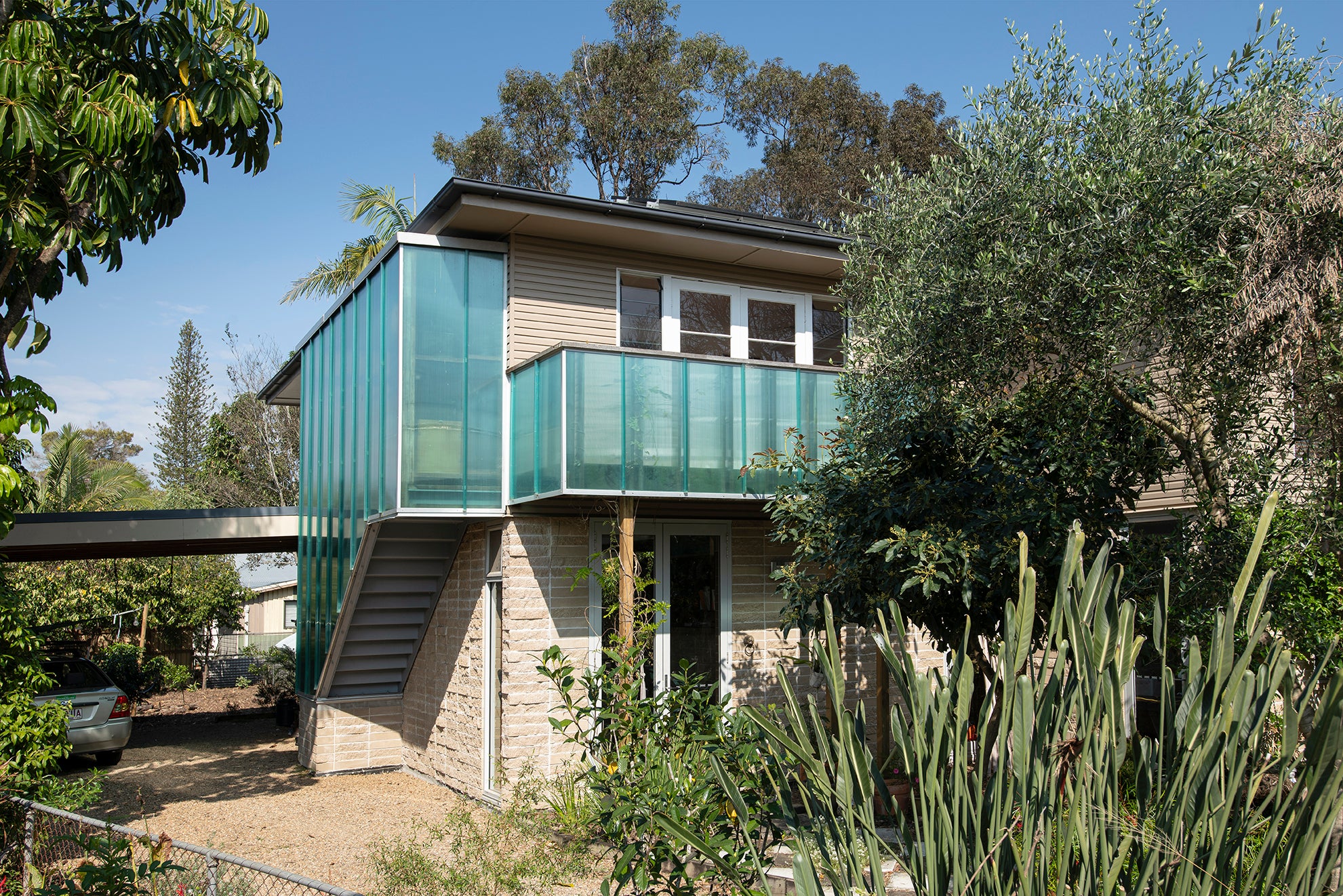
Flood resilience design photos supplied by JDA Co.
Interior house design showing flood resilience with cement floor and walls.
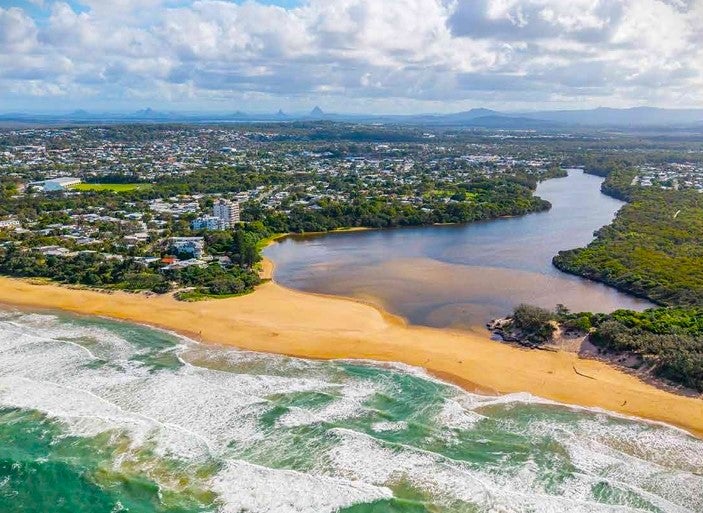
For many Sunshine Coast locals, water is a big part of what makes our region such a beautiful place to live. We have an enviable 65 kilometres of coastline, five major waterways and dozens of creeks. But living near water also brings risk.
As rainfall events become more intense and coastal hazards increase, homeowners, designers and builders are being challenged to think differently about the way homes are planned, built and renovated.
To help meet that challenge, Sunshine Coast Council has released the Flooding and Coastal Resilience Design Guide in partnership with resilience specialists JDA Co.
The Guide provides practical design advice, helping homeowners and industry professionals create homes that are safer, more adaptable and better prepared for flood and storm events.
According to Sunshine Coast Council’s Principal Engineer and the Guide’s co-author, Nadia Guterres, flood resilience should not just be considered after a disaster.
“Flood resilience is about planning rather than reacting afterwards. Every design decision you make before a flood or storm event can reduce the damage, disruption and recovery costs that follow,” Ms Guterres said.
“The Sunshine Coast is particularly exposed because flooding can occur from multiple sources, including rivers, creeks, overland flow, stormwater and coastal storm tides.
“Many of us often assume flood risk only applies to waterfront properties, but numerous affected properties aren’t located next to waterways.
“Drainage issues and overland flow can impact homes right across our region.
Understanding your property's particular risks is always the first step in choosing the right flood resilience strategy for your property.”
Investing in resilience now saves money later
One of the key messages behind the new guide is that resilience should be viewed as a long-term investment. Flood-resilient design can reduce damage, shorten recovery times and lower the ongoing costs associated with repairs and insurance.
Sunshine Coast Council’s Environment and Livability Councillor Maria Suarez said work done by the Queensland Reconstruction Authority has shown that resilient retrofits can significantly reduce reliance on insurance, while allowing homeowners to return to their homes much faster after flood events.
“Some homeowners reported returning within days or weeks rather than facing stressful rebuilds lasting many months,” Cr Suarez said.
“Every dollar spent improving resilience can help avoid many more dollars spent in future repairs.
“Design approaches like raising floor levels, using flood-resilient materials and protecting services like electrical systems can deliver long-term financial benefits as well as peace of mind.”
Turning complex planning into practical solutions
For many homeowners, flood mapping, planning overlays and development requirements can feel overwhelming.
Cr Suarez said residents should begin by downloading a Council Site Report for the proposed planning scheme, which identifies flood risk, stormwater risk and coastal hazard mapping relevant to their property.
“This Guide gives designers and homeowners a clear pathway forward,” Cr Suarez said.
“Translating mapping and technical planning information into practical design options, makes it easier to understand what solutions are likely to work for your particular site."
Cr Suarez said the new mapping is already available online through Council’s MyMaps and is referenced in the proposed planning scheme Site Reports. The mapping considers different types of flooding and varying levels of risk.
“The benefit of the new flood risk and stormwater risk mapping is that it allows for simplified design solutions and reduced assessment requirements in areas of low or moderate risk,” she said.
“It helps identify risks early in the design process, which is usually when the best solutions are available.
“Although the proposed planning scheme has not yet been formally adopted by Council, we encourage people to use the new information as it’s best that these risks are properly considered now if people are planning on building or renovating their properties”.
Designing homes for the future
Looking ahead, flood resilience is likely to become a standard part of residential design across the Sunshine Coast.
“We'll see homes becoming more adaptable and more responsive to environmental conditions,” Ms Guterres said.
“Over the next 10 to 20 years, we'll see more elevated homes, more water-sensitive landscaping, greater use of resilient building materials and smarter planning that accounts for future climate risks, not just current conditions.”
For homeowners considering a new build or renovation today, Cr Suarez has a key message.
“Make sure you understand your site and your risks before you start designing,” she said.
“Take the time to learn about flood risks, stormwater risks, the drainage behaviour of your property and future coastal hazards.
"When resilience is considered early, you can create a home that performs better, costs less to maintain and provides a safer place for your family for decades to come.”
7 flood-resilient design tips
- Check Council's flood mapping and obtain a Site Report for the proposed planning scheme before you start designing.
- Raise habitable floors above the minimum design flood level wherever possible.
- Position air-conditioning units, hot water systems and electrical infrastructure above flood levels.
- Use flood-resilient materials such as polished concrete, tiles and fibre cement sheeting.
- Choose permeable fencing that allows floodwater and stormwater to pass through.
- Incorporate rainwater tanks, swales and water-sensitive landscaping to manage runoff.
- Avoid blocking natural drainage paths on your property or neighbouring sites.
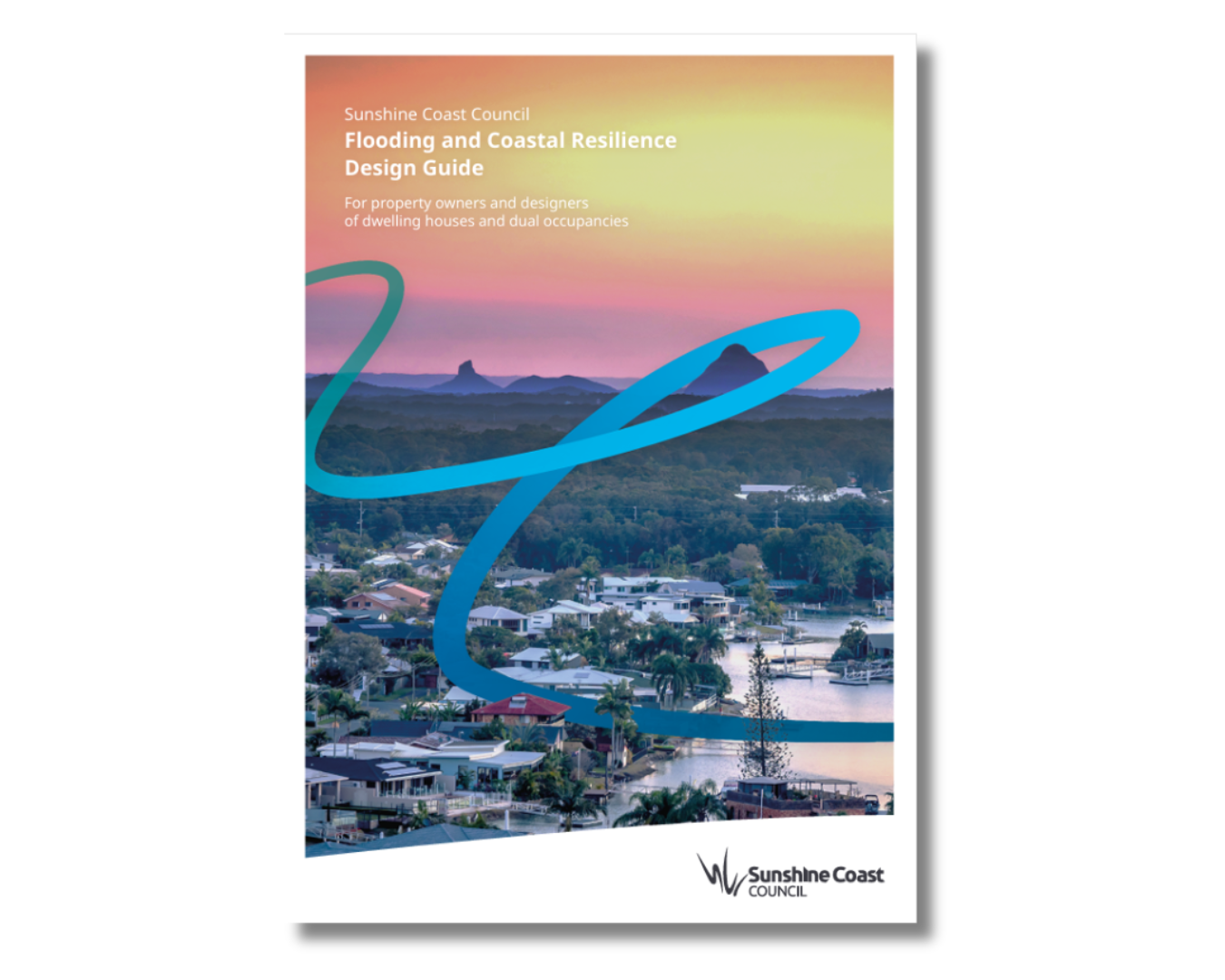
Download your free copy of the Flooding and Coastal Resilience Design Guide.